


First-Time Guide to Bali
October 19, 2026
First-Time Guide to Bali: plan the right season, choose a base, get around safely, and make the most of temples, beaches, food and island culture.
First-Time Guide to Bali: What to Know Before You Go
First-Time Guide to Bali is a practical starting point for international visitors planning their first Indonesian island trip. It covers when to visit, how to get around, where to stay and what to budget. You will also find a flexible itinerary and advice on local customs, safety and connectivity.
Bali offers much more than beaches. In one trip, you can visit temples, walk through rice-growing landscapes, sample regional food and spend time in lively towns. However, distances can take longer than they look on a map, and each area has a distinct feel. Therefore, choosing a few priorities matters more than trying to see the whole island at once. Use this First-Time Guide to Bali to shape a trip around your pace, interests and comfort level.
When to Go: A First-Time Guide to Bali’s Seasons
Bali is warm throughout the year, with a generally drier period and a wetter period. The drier months are often preferred for beach time and outdoor plans, while wetter months can bring brief or heavier showers. Conditions vary, so pack for changing weather in any season.
However, popular holiday periods can bring more visitors, busier roads and higher demand for accommodation. If you prefer a quieter trip, consider travelling outside major school and international holiday periods. In addition, shoulder periods can offer a useful balance of manageable crowds and suitable conditions, though weather is never guaranteed.
Plan flexible days for outdoor activities. For example, keep a spare morning for a hike or boat trip in case weather disrupts your first choice. Check local conditions and operator updates before setting out, especially for sea crossings and mountain routes.
Getting There and Getting Around Bali
Most international visitors arrive at Ngurah Rai International Airport, near the island’s southern resort areas. Direct and connecting flights vary by departure city and season. Before travelling, check Indonesia’s current entry rules, visa options and any required travel documents through official sources. Also confirm whether any local visitor levy or other arrival requirement applies at the time of your trip.
From the airport, pre-arranged transfers, licensed taxis and app-based rides may be available, depending on local rules and pickup arrangements. Ask your accommodation about its recommended transfer options. Meanwhile, allow extra time for road journeys: traffic around southern Bali can be slow, and a short distance may take much longer than expected.
For day trips, many visitors hire a car with a local driver, which avoids navigating unfamiliar roads and can make a multi-stop day easier. Ride-hailing services and taxis can work for shorter journeys where available. Scooter rental is common, but it is not a casual choice for inexperienced riders. You need the correct licence and insurance, and you should wear a helmet. Therefore, choose a safer option if you lack riding experience. Confirm fares, pickup points and service availability before each trip.
What to See and Do in Bali
A first visit can combine cultural landmarks, nature and time by the sea. In the south, beaches and sunset viewpoints draw many travellers, while areas such as Ubud offer access to arts, markets and nearby countryside. This First-Time Guide to Bali recommends choosing a few regions rather than attempting long cross-island journeys every day.
Temples are among the island’s most memorable cultural sites. Visit respectfully, follow posted rules and wear appropriate clothing; some sites provide or require a sarong. For example, coastal temples are known for their dramatic settings, while inland temple complexes offer a different atmosphere. However, access rules and ceremonies can change, so check local guidance and avoid treating active places of worship as photo sets.
In and around Ubud, visitors can explore galleries, craft shops and rice-growing landscapes. Walking routes and viewpoints vary in condition, so use suitable shoes and check access locally. In addition, consider a guided visit if you want context about local history, farming or religious practice. Choose guides and community experiences that explain how tourism supports local people.
For outdoor variety, look into waterfalls, volcanic landscapes, snorkelling or boat trips, depending on your interests and current conditions. Some activities involve uneven paths, strong currents or early starts. Therefore, check safety advice and weather updates before booking, and use reputable operators. If you want a slower day, spend time swimming, browsing a local market or trying Balinese dishes such as nasi campur and satay lilit.
First-Time Guide to Bali planning works best with a mix of anchor sights and unplanned time. Leave room for a long lunch, a spa visit or a quiet afternoon. Meanwhile, remember that popular attractions may be busy, and access or opening arrangements can change. Confirm details directly before travelling.
Where to Stay
Your base shapes the pace of a Bali trip. Seminyak and nearby southern areas suit visitors seeking restaurants, shopping and beach clubs. Canggu appeals to many travellers looking for cafés, surf culture and social nightlife, though traffic and crowds may not suit everyone.
Ubud is a strong choice for culture, arts and access to central Bali’s countryside. However, it is inland, so beach days require a drive. Sanur offers a more relaxed coastal atmosphere and can be convenient for families or visitors seeking an easier pace. Nusa Dua has resort-style stays and a more planned feel, while Uluwatu is known for coastal scenery and surf-focused stays.
For a first trip, choose one or two bases rather than changing hotels every night. In addition, check what is nearby and how you will travel; a low room rate may not be practical if every activity requires a long transfer. Read recent reviews and confirm what your accommodation includes.
What It Costs: Bali Daily Budget Estimates
Bali costs depend on your accommodation, transport, dining choices and activities. The following estimates are per person, per day, and exclude international flights. They are broad planning ranges, not quotes. USD conversions use a rough rate of IDR 16,000 to USD 1; exchange rates change.
| Travel style | Estimated daily budget | Typical approach |
|---|---|---|
| Budget | IDR 600,000–1,200,000 (about USD 40–75) | Simple room, local meals, limited paid activities and shared or economical transport. |
| Mid-range | IDR 1,500,000–3,500,000 (about USD 95–220) | Comfortable accommodation, a mix of local and restaurant meals, and some private transport or tours. |
| Higher-comfort | IDR 4,000,000–10,000,000+ (about USD 250–625+) | Upscale stays, frequent private transfers, fine dining and premium activities. |
These ranges can shift with season, location and group size. For example, sharing a driver can reduce each traveller’s transport cost, while a private villa or resort can raise the daily total. In addition, allow separate funds for travel insurance, shopping, tips where appropriate and unexpected changes. Confirm current prices directly with providers before travelling, since rates and inclusions can change.
Suggested Five-Day Itinerary
This flexible plan balances southern beaches with time inland. Travel times depend on traffic, and you can add nights if you prefer a slower pace.
- Day 1 – Arrive and settle in: Check in near your chosen base, keep plans light and arrange local currency or a suitable payment option. In the evening, enjoy dinner close to your accommodation.
- Day 2 – Explore the south: Spend the day at a beach or coastal viewpoint. Meanwhile, keep travel between stops limited and check local sea conditions before swimming.
- Day 3 – Temples and local culture: Visit a temple or cultural site, following dress and photography rules. Add a meal featuring Balinese dishes, then return before evening traffic builds.
- Day 4 – Ubud and the countryside: Move inland or take a day trip to Ubud. Explore its arts scene and nearby rice-growing landscapes, with time for a relaxed meal. Therefore, avoid packing too many stops into one route.
- Day 5 – Choose your own pace: Use this day for a waterfall walk, a guided food experience, a beach morning or simply rest. In addition, keep a buffer before departure and confirm your airport transfer plan.
If you have more time, add nights rather than squeezing in distant areas. A longer stay can make room for another region or a boat excursion, subject to weather and current service availability.
Practical Tips for Your First-Time Guide to Bali
Dress modestly when visiting temples and follow signs or instructions from local staff. Ask before photographing people, ceremonies or private property. In addition, use your right hand when offering or receiving items where practical, and behave discreetly at religious sites.
Keep valuables secure and use ordinary precautions in busy areas. On the road, wear a helmet if riding and never drive after drinking. Travel insurance should match your planned activities, especially if you intend to ride a scooter or take part in water sports. Therefore, read policy exclusions before departure.
Cash remains useful for some small purchases, though card and digital payment options vary by business. Use reputable cash machines and check any fees before confirming a withdrawal. For connectivity, arrange an eSIM or local SIM if your phone supports it, and confirm current registration requirements. Finally, pack light clothing, sun protection, insect repellent, comfortable walking shoes and a modest cover-up for temple visits. Carry a reusable water bottle, but follow local advice on safe drinking water.
Frequently Asked Questions
How many days do I need in Bali?
Five to seven days gives many first-time visitors time to enjoy a couple of areas without rushing. Add days if you want to explore more regions or take a boat trip.
Is Bali suitable for first-time visitors to Indonesia?
Yes. It has a broad range of accommodation, dining and visitor services. However, local customs, road conditions and travel times still require preparation.
Do I need a visa to visit Bali?
Entry rules depend on your nationality and travel plans. Check current Indonesian visa and passport requirements through official sources before booking and again before departure.
Can I get around without renting a scooter?
Yes. You can use taxis, app-based rides where available, transfers or a hired car with a driver. Confirm service coverage and fares locally.
Is Bali expensive for tourists?
It can suit different budgets, but accommodation, private transport and premium activities can add up. Use the estimates above as a starting point and confirm current costs.
Plan Your First-Time Guide to Bali Trip
Bali rewards travellers who balance a few meaningful outings with time to slow down. Choose a base that fits your interests, leave room for traffic and weather, and check current travel requirements before you go. With thoughtful planning, this First-Time Guide to Bali can help you build a trip that feels personal, practical and memorable.
Destinations in this guide
More travel guides
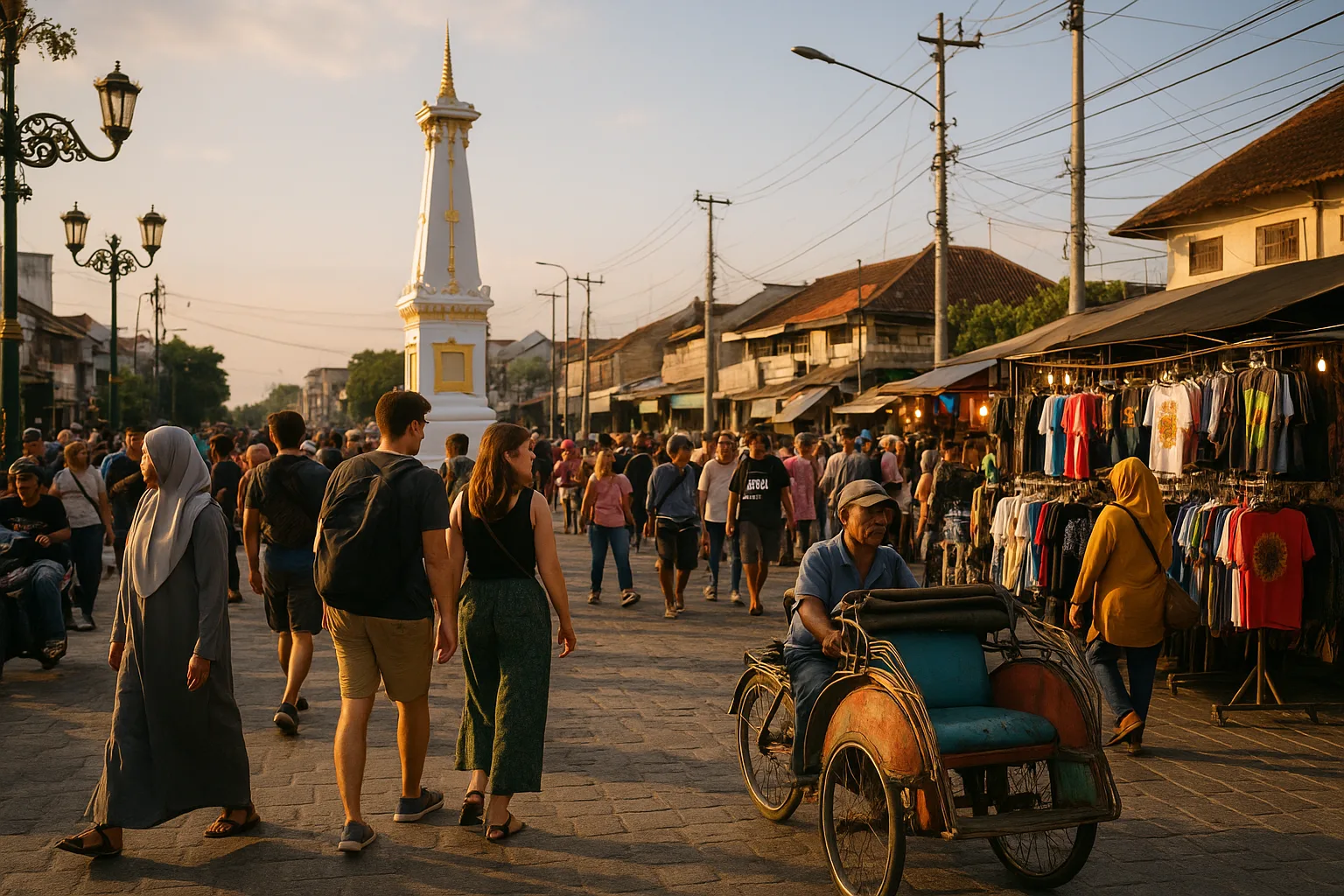
First-Time Guide to Yogyakarta
First-Time Guide to Yogyakarta: plan your visit with practical advice on seasons, transport, sights, neighbourhoods, budgets and a flexible itinerary.
Read more
First-Time Guide to Siberut
First-Time Guide to Siberut: plan your Mentawai journey with practical advice on ferries, rainforest visits, surf, stays, budgets and respectful cultural travel.
Read more
First-Time Guide to Teluk Kiluan
First-Time Guide to Teluk Kiluan: plan a responsible dolphin-watching trip, choose a season, arrange transport and lodging, and budget for this remote Lampung coast.
Read more