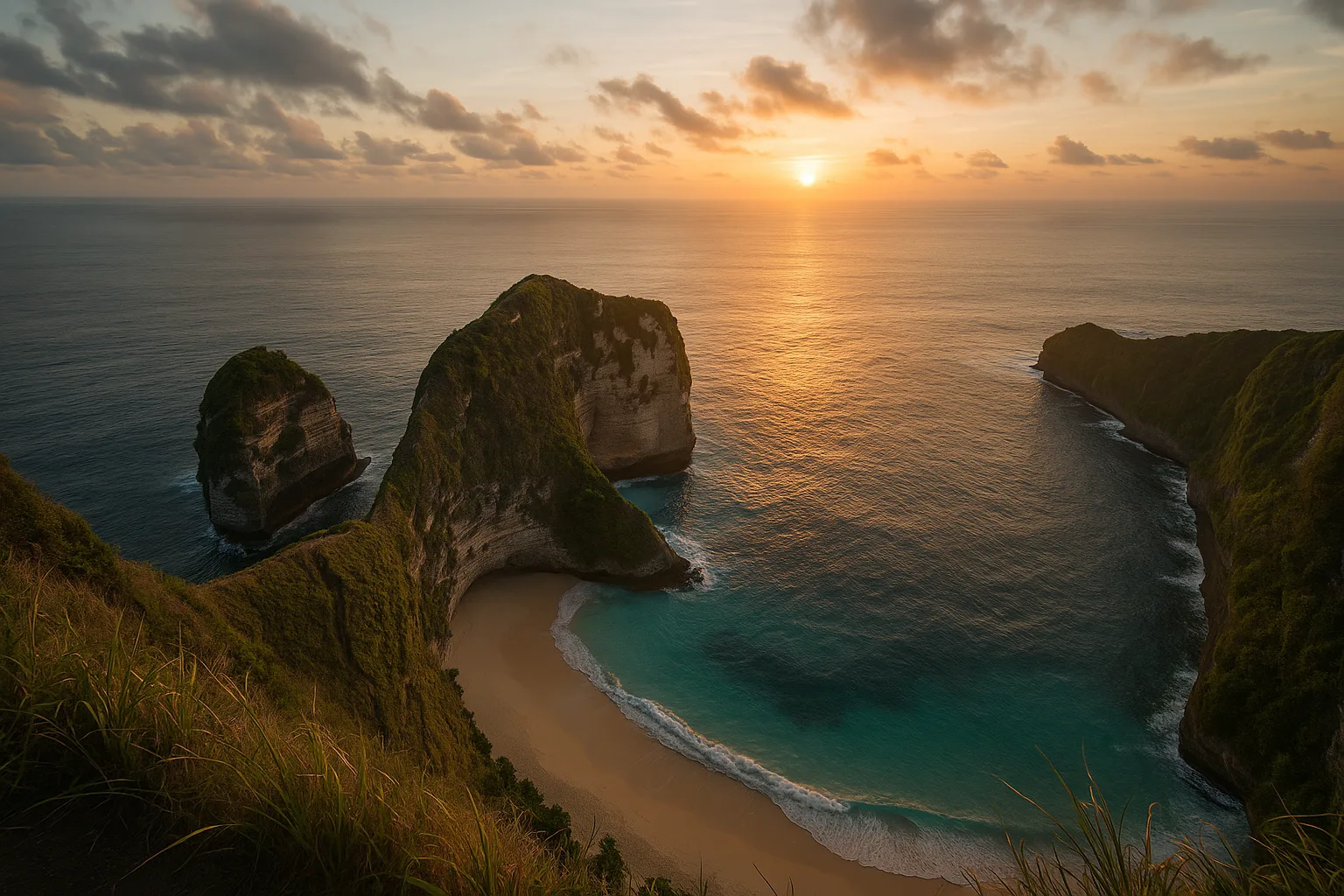


Bali
7 place(s) to explore in Bali


Bali is an Indonesian island known for Hindu temples, green rice terraces, volcanic landscapes and beaches suited to surfing or relaxing. It also offers lively towns, quiet villages and a distinctive local culture, so a trip can feel different from one region to the next. For first-time visitors, the main challenge is choosing where to spend limited time: road journeys can take longer than the map suggests. This guide covers what to see, when to visit, how to get around and what to budget. With a little planning, you can balance beach days with cultural visits and time in the island’s cooler interior.
Why Visit Bali?
Bali brings together natural scenery and living traditions in a relatively compact destination. For instance, you can watch a sunrise from a volcanic ridge, visit a family-run warung for lunch and finish the day beside the sea. Meanwhile, ceremonies and offerings remain part of everyday life, rather than being confined to visitor attractions.
In addition, the island suits many travel styles. Surfers gravitate to the southern coast, while Ubud draws visitors interested in art, food and countryside. Families can find resorts and calm-water activities, and independent travellers can build a trip around villages, hikes or yoga. However, popular areas can feel busy, especially during holiday periods. As a result, choosing a base that matches your pace makes a noticeable difference.
Best Things to Do
To begin, visit a temple, but treat each site as a place of worship as well as a landmark. For example, Uluwatu Temple stands on a dramatic coastal cliff, while Tirta Empul is known for its water purification rituals. Dress modestly and follow local guidance; some areas may restrict access during ceremonies.
Next, explore the island’s landscapes. Walk through rice-growing areas around Ubud, or arrange a guided trek on Mount Batur for a sunrise view. Conditions can change, so check the route and weather before setting out. Alternatively, waterfalls and gardens offer quieter alternatives to the busiest attractions.
Meanwhile, take a surf lesson, snorkel in suitable conditions or simply spend a slow afternoon by the water. Boat trips can connect Bali with nearby islands, but sea conditions and departure arrangements vary. Therefore, book with a reputable operator and confirm the return plan before you leave.
Beyond that, watch a traditional dance performance or join a cooking class that explains local ingredients. Meanwhile, browsing a market can introduce you to crafts and daily life. Ask before photographing people, and avoid touching religious offerings placed on the ground.
Best Places to Visit in Bali
Ubud is a useful base for galleries, temples, cafés and countryside excursions. The town itself can be busy, but nearby villages offer a slower setting. South Bali includes Seminyak, Canggu and Uluwatu, each with a different mix of beaches, dining and nightlife. Traffic can be heavy, so avoid planning too many cross-island trips in one day.
For a more relaxed coastal stay, consider Sanur, which has a promenade and access to boat services. East Bali offers temple visits, coastal scenery and a quieter pace in places such as Amed. However, distances between attractions are significant by local road, so choose a region rather than trying to see the whole island at once.
Nature lovers may add the island’s northern highlands, where cooler air and lake scenery offer a contrast to the south. In addition, some visitors take a boat to Nusa Penida for cliffs and coastal viewpoints. The island’s roads and sea crossings require care, and conditions can affect travel plans. Allow extra time and check local advice before setting out.

Best Time to Visit
Generally, Bali has warm weather throughout the year, with a drier period around April to October and a wetter season around November to March. These are broad patterns, not guarantees; rain can arrive during the drier months, too. In the wet season, showers may be heavy but brief, while humidity remains high.
For more reliable outdoor plans, many visitors choose the drier months. However, popular holiday periods can bring fuller accommodation and busier roads. Shoulder periods may offer a useful balance, depending on the year and local events. If your dates coincide with Nyepi, Bali’s Hindu Day of Silence, check the calendar and travel rules in advance; island activity and transport follow special restrictions.
Getting There and Getting Around
Most international visitors arrive at I Gusti Ngurah Rai International Airport, near Kuta and Denpasar. Direct routes depend on your departure city and season; others involve a connection through an Indonesian or regional hub. From the airport, arrange a licensed taxi, a pre-booked transfer or another permitted local option. Travel time to your hotel varies greatly with traffic.
Alternatively, visitors already in Indonesia may reach Bali by air from major cities, or by road and ferry from Java. Ferry routes and onward connections can change, so confirm the current arrangements before travelling. Entry requirements depend on your passport, trip purpose and length of stay. Check official Indonesian immigration guidance before departure.
For getting around, hire a car with a local driver for longer day trips, or use taxis and ride-hailing services where available. Motorbikes offer flexibility but require experience, a suitable licence and proper insurance. For safety, do not ride without a helmet, and avoid riding if you are unfamiliar with local road conditions. Walking works in some town centres, though narrow roads and limited sidewalks can make longer walks difficult.
Where to Stay
In general, choose your base around the experiences you want, rather than trying to stay near every attraction. Ubud works well for culture, food and inland scenery, while Seminyak suits visitors who want restaurants, shopping and beach clubs nearby. Meanwhile, Canggu attracts surfers and longer-stay visitors, though its roads can be congested.
For a quieter coastal holiday, consider Sanur, which appeals to families and travellers seeking an easygoing atmosphere. Uluwatu offers cliffside views and surf breaks, but some beaches require steep access. For diving, snorkelling or a slower trip, look at Amed and other parts of the east. Accommodation ranges from hostels and guesthouses to villas and resorts. Check recent reviews, transport access and cancellation terms before booking.
Local Food to Try
Bali’s food scene ranges from simple rice plates to contemporary restaurants. Try nasi campur, rice served with a selection of small dishes, or mie goreng, fried noodles. Gado-gado combines vegetables with peanut sauce, while sate lilit features seasoned minced fish or meat wrapped around a stick. Recipes vary by cook and region.
Look for local meals at a warung, a small eatery, and ask about spice levels if you prefer milder food. In addition, Bali has many vegetarian and international options, especially in Ubud and the southern towns. Choose busy food stalls with fresh turnover, drink sealed or treated water, and mention allergies clearly. Some dishes contain peanuts, seafood or other common allergens.
Suggested Itinerary
With three days, focus on one inland base and one coastal area rather than crossing the island repeatedly. Adjust the plan to your arrival time, traffic and interests.
- Day 1: Settle into Ubud, then explore the town’s shops, galleries or a nearby temple. In the evening, choose a local meal and attend a cultural performance if one fits your plans.
- Day 2: Visit rice-growing areas and a waterfall with a driver or organised tour. Meanwhile, leave room for a relaxed lunch and avoid adding distant stops to an already full day.
- Day 3: Head south for a beach visit and a sunset stop near Uluwatu. Alternatively, choose Sanur for a gentler coastal day. Allow plenty of time to return to the airport or your accommodation.
If you have only one day, stay close to your accommodation and choose two or three nearby activities. With a week, split your stay between regions and add time in the east or north. Otherwise, keep a flexible schedule for weather and road delays.
Travel Costs
As a guide, the following are approximate per-person daily estimates in Indonesian rupiah (IDR) and US dollars (USD). They cover accommodation, meals, local transport and modest activities, but exclude international flights, major shopping and expensive private tours. The USD conversions use a rough planning rate; exchange rates change.
- Budget: IDR 500,000–1,000,000 (about USD 30–65), usually with a hostel or simple guesthouse, local meals and limited paid activities.
- Mid-range: IDR 1,200,000–2,500,000 (about USD 75–155), with a private room, a mix of local and restaurant meals, and some hired transport or tours.
- Higher-comfort: IDR 3,000,000–7,000,000 or more (about USD 190–440 or more), depending on villa or resort choice, dining and private transport.
Costs vary by season, location, group size and booking choices. A shared room can reduce costs, while a private driver or popular resort can raise them quickly. Some attractions, transport services and visitor fees may have separate charges. Therefore, confirm current prices and local requirements before booking, and keep a buffer for transfers or unexpected changes.
Travel Tips and Safety
Respect local customs at temples and ceremonies. Wear clothing that covers your shoulders and knees where requested, and use a sarong if the site requires one. In addition, ask before taking photos of worshippers or ceremonies. Never step on offerings, and follow staff instructions about restricted areas.
Just as importantly, pay attention to road safety. Traffic can be unpredictable, and road conditions vary, so choose a driver if you are unsure about riding. Keep valuables secure, use reputable transport and check that your travel insurance covers planned activities. At beaches, heed warning flags and local advice; currents can be strong even when the water looks calm.
Carry sun protection, insect repellent and any regular medication. Drink safe water and take care with food hygiene. Finally, check current local rules, weather notices and travel advisories before departure. Keep digital and paper copies of key documents, and save your accommodation details for arrival.
Essential Travel Information
Bali uses the Indonesian rupiah (IDR). Cash remains useful for small purchases, though card acceptance varies by business and area. Bahasa Indonesia is the national language, and Balinese is also widely spoken locally. English is common in many visitor services, but learning a few Indonesian greetings is appreciated.
Meanwhile, mobile coverage is generally available in populated areas, but service can weaken in remote locations. Visitors can compare roaming, local SIM and eSIM options, checking device compatibility and registration requirements first. Indonesia uses 230-volt electricity and commonly uses type C and F plugs; bring an adapter if your devices need one. Bali follows Central Indonesia Time (UTC+8). Confirm visa rules, entry conditions and any health requirements using official sources before travelling.
Frequently Asked Questions About Bali
How many days should I spend in Bali?
Three to five days can cover one inland area and part of the coast. However, a week or longer allows a slower pace and fewer long drives.
Is Bali suitable for a first trip to Indonesia?
Yes. Bali has a wide range of accommodation, food and transport options. Still, plan for traffic and check entry requirements before you go.
Do I need a visa to visit Bali?
Requirements depend on your nationality, trip purpose and length of stay. Check current Indonesian immigration information rather than relying on older travel advice.
Can I visit Bali without riding a motorbike?
Yes. Taxis, ride-hailing services where available, transfers and hired drivers can help you get around. For longer journeys, allow extra time for traffic.
What should I wear at temples?
Choose modest clothing that covers shoulders and knees, and follow each temple’s rules. Some sites provide or require a sarong; check locally.
Plan Your Trip
Ultimately, Bali rewards travellers who match their itinerary to the island’s different regions. Pair a cultural stay in Ubud with time on the coast, or choose a quieter corner for a slower escape. Leave space between activities, respect local customs and check practical details close to departure. With thoughtful planning, you can discover a Bali that goes beyond the beach and make the journey your own.